
What You Can (and Can’t) Bring Back from France
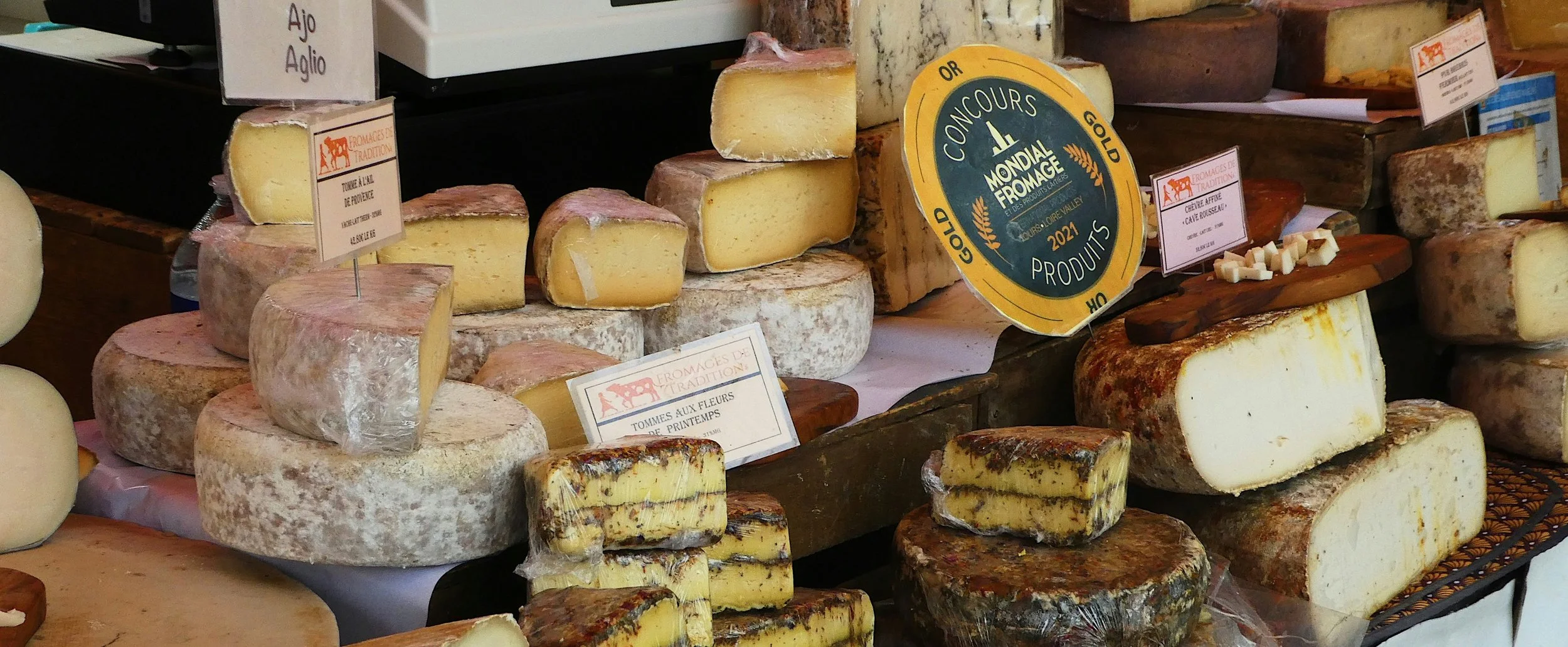
Photo by Lauren Forando
One of the greatest joys of traveling to France is bringing a little piece of it home — a bottle of Bordeaux, a jar of Dijon mustard, or that heavenly round of cheese from the market. But when it comes to U.S. customs, the rules can be… tricky. Multiple agencies oversee food imports, and the lists are filled with exceptions.
The good news? With a bit of planning, you can safely bring home many French favorites. Below, we break it down for you.
Golden Rules of U.S. Customs
Declare everything. Failure to declare food items can result in fines up to $10,000.
Keep it clean and packaged. Poorly wrapped or loose items may be refused.
Think personal, not commercial. Bring reasonable quantities for your own enjoyment — anything more may look like resale.
French Favorites You Can Bring Home
✔️ Dijon Mustard & Condiments
Prepared foods are the easiest souvenirs to bring home. Think mustards, oils, vinaigrettes, jams, honey, coffee, tea, and Nutella. Preserved goods (without meat) are generally fine.
✔️ Bread & Pastries
Yes, you can carry croissants, baguettes, and other pastries. They won’t last long, but they’ll beat airplane snacks and make a sweet breakfast back home.
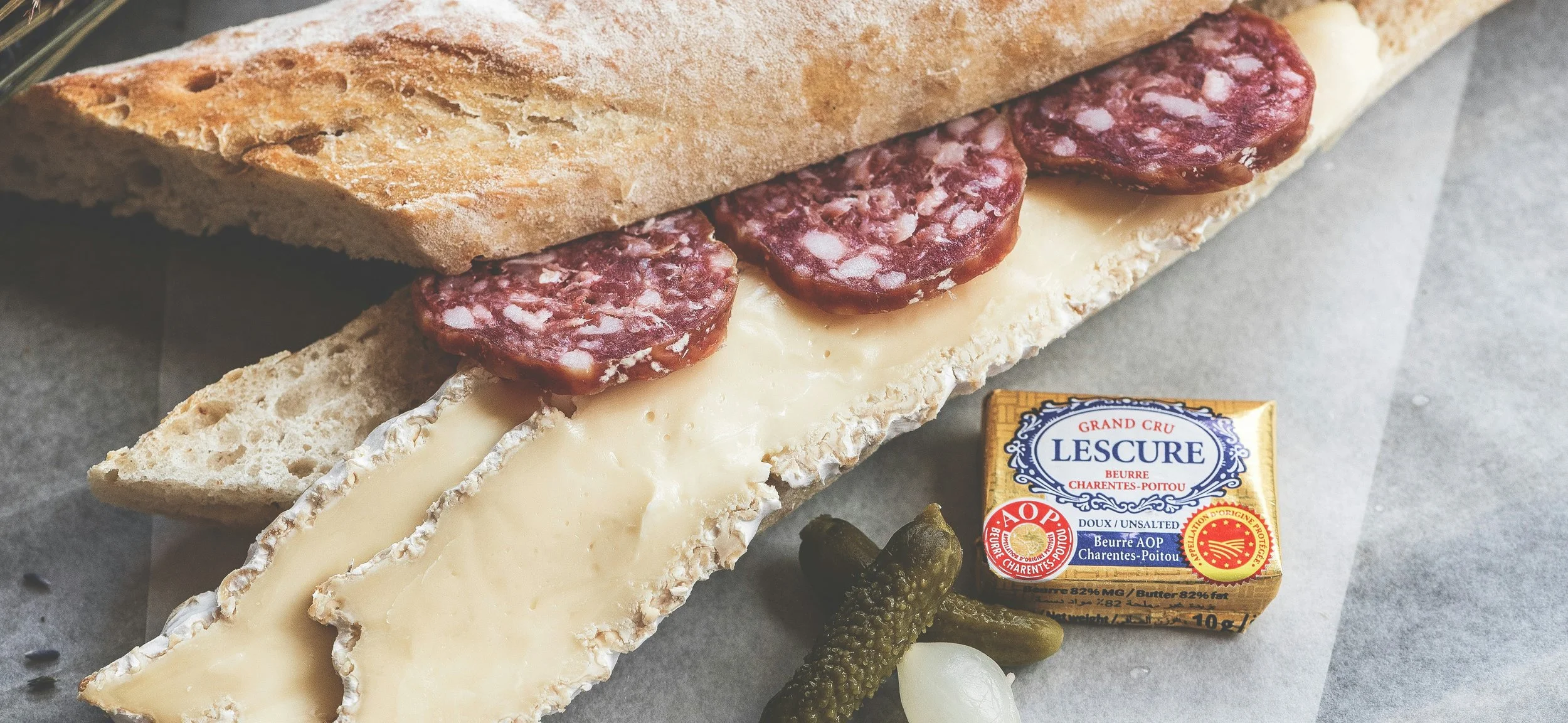
✔️ Butter
Yes — as long as it’s frozen and well packaged. Consider an insulated bag with an ice pack. (Pro tip: Bordier butter is worth the effort!)
✔️ Wine & Spirits
Travelers 21+ can bring up to 1 liter duty-free. More is allowed, but you’ll pay duty. Pack bottles in checked luggage with protective sleeves. Note: alcohol above 24% is limited to 5 liters per passenger in unopened retail packaging.
✔️ Chocolate & Sweets
Bring on the macarons, chocolates, and candies. All are admissible and make perfect gifts.
✔️ Cheese (With Caveats)
Hard, semi-soft, and pasteurized cheeses (like Comté, Emmental, or pasteurized Brie/Camembert) are allowed. Runny, unpasteurized, or raw-milk cheeses are not.
✔️ Jams & Confitures
In checked luggage, you can bring home all the Bonne Maman or artisanal confiture you want. (Carry-on is limited to 100ml).
✔️ Seafood
Fresh, frozen, smoked, preserved, or dried seafood is permitted in reasonable quantities.
✔️ Truffles & Edible Flowers
Surprisingly, both are allowed. Consider vacuum-sealed truffles for freshness.
Items That May Be Confiscated
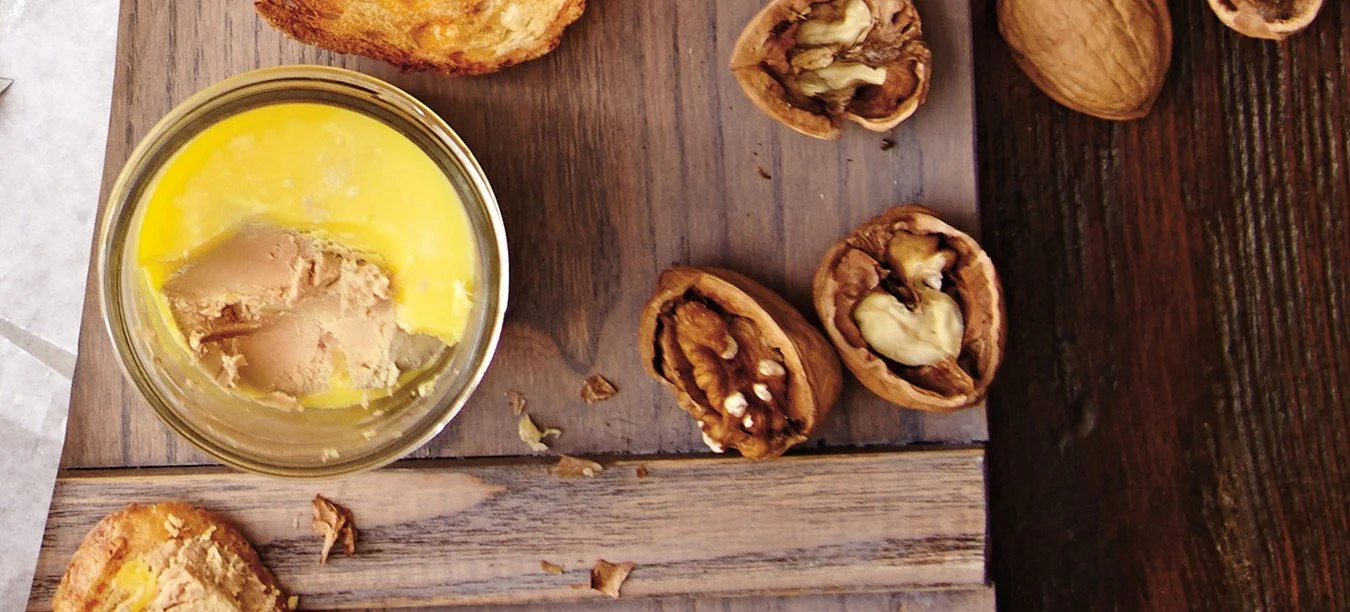
⚠️ Foie Gras & Pâté
Only allowed if cooked and packed in a hermetically sealed container — and even then, customs officers have discretion. Be prepared for a “maybe.”
⚠️ Bouillon Cubes & Soups
If they contain beef or ruminant products (goat, sheep, etc.), they’re not allowed.
Items You Cannot Bring
❌ Absinthe
Even though it’s sold in France, absinthe containing thujone cannot enter the U.S. Even “thujone-free” absinthe faces strict labeling rules, so it’s best to buy it stateside.
❌ Kinder Surprise Chocolates
These are banned due to the toy inside being a choking hazard. (Kinder Joy is fine — but less fun!)
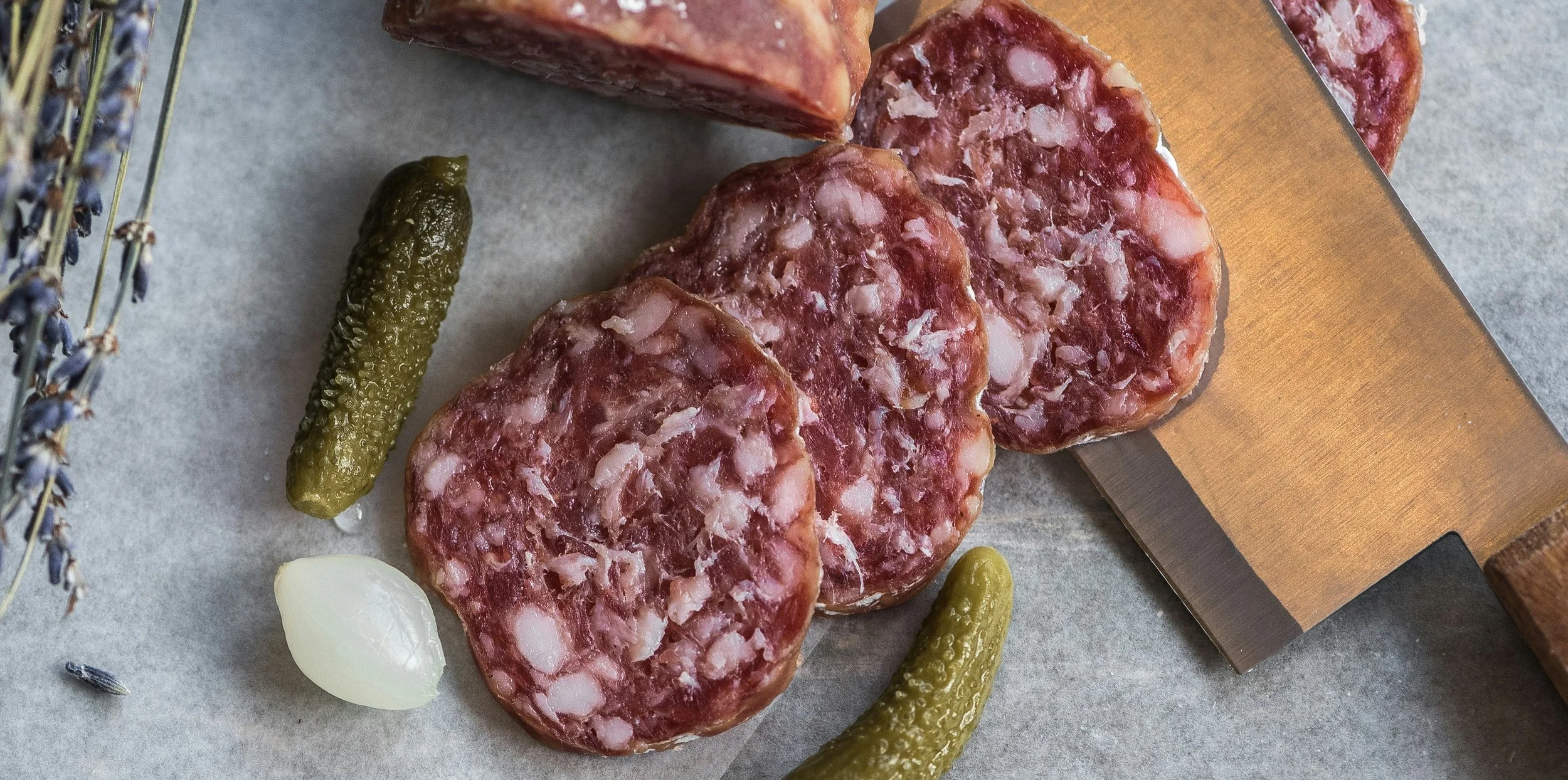
❌ Meat & Charcuterie
Saucisson, jambon, pâtés with meat — sadly, all forbidden.
❌ Fresh Fruits & Vegetables
Most are restricted unless accompanied by specific permits. Best to skip them.
❌ Egg-Based Products
Mousse au chocolat and uncooked egg products won’t make it through.
❌ Milk (Liquid)
Only small amounts for children are permitted.
Quick FAQ
Can I bring foie gras home from France?
Maybe. If it’s in a sealed, shelf-stable container — yes. Fresh or semi-preserved varieties are often refused.
Can I bring French cheese home?
Yes, if it’s hard, semi-soft, or pasteurized. No for runny/raw-milk cheeses.
Can I bring French wine home?
Absolutely! Just watch your quantity and pack it carefully in checked luggage.
Final Tip
When in doubt, declare everything. It’s far better to over-declare than risk confiscation or fines. And remember: while you can’t take everything home, the joy of savoring a jar of Dijon, a wedge of Comté, or a bottle of Bordeaux in your own kitchen is worth the effort.
